Half-Day Trips
Four-hour itineraries for each of the regions covered above, with realistic timings and budgets.
Cairo, Alexandria, the Pyramid Field, Upper Egypt (Luxor and Aswan), the Red Sea coast and Sinai. Each region with our editorial pacing strategy — what to do on the day you arrive, how many days to allocate, and what to skip if your trip is short. The text is written for first-time visitors but is also a quick refresher for returning travellers.
Egypt rewards a regional approach. The country is geographically large and visually distinct from region to region: the Mediterranean openness of Alexandria does not feel like Cairo, Cairo does not feel like Luxor, and Sinai does not feel like any of them. Trying to “see Egypt” in a week typically means trying to see Cairo plus Luxor with an extra day for the Pyramids, and skipping everything else. We do not discourage that itinerary — it works — but the regional briefings below are written so you can also make the case for spending a longer trip in fewer places.
The capital region needs a minimum of three full days for the heritage essentials. Five days is the comfortable allocation if you also want to see the Coptic and Islamic quarters at a normal pace.
Cairo is where most international visitors arrive and most leave from. The city is large, traffic is difficult to model and the most rewarding heritage areas are not adjacent to each other — Giza is a forty-minute drive from Downtown in normal conditions, the Citadel is twenty minutes from the centre in the opposite direction, and Coptic Cairo is on a different metro line than the Khan el-Khalili area. Plan your hotel location with that geography in mind: Downtown for proximity to Tahrir Museum and Islamic Cairo, Zamalek for a calmer base on the island, or Giza if you are spending most of your time at the new Grand Egyptian Museum.
Our suggested arrival-day strategy is to keep the first half of your first day deliberately easy — the Egyptian Museum on Tahrir Square is the right size to absorb jet lag, and it is air-conditioned. Save the Giza Plateau for an early start on day two, when you are rested and willing to be on your feet for four hours. Coptic Cairo and the Citadel each take a comfortable half-day and can be combined with a walk through Khan el-Khalili in the evening of the same day.
The Pyramid Field beyond Giza — Saqqara and Dahshur — is an easy single-day add-on with a private driver from Cairo. We strongly recommend it if you have at least four nights in the capital. The wider archaeological survey and the Cairo half-day circuits give more practical detail.
Two full days is a good allocation, three if you are particularly interested in Late Antique and Greco-Roman archaeology. Reachable from Cairo by train in under three hours.
Alexandria sits on the Mediterranean and feels noticeably different to Cairo from the first hour. The city is built on a long thin strip along the harbour, with the modern Corniche promenade as its spine. Most heritage stops are within a thirty-minute walk of each other and the climate is reliably milder than Cairo throughout the year. We recommend taking the morning train from Cairo Ramses station, spending two nights in a hotel on the central Corniche, and returning by train. Driving between Cairo and Alexandria is faster on paper but the difference is eaten up by the queue at the desert-road tollbooths.
The Bibliotheca Alexandrina is the single most important modern landmark and an exceptional architectural visit. The Greco-Roman archaeological sites are concentrated in the central city — the catacombs of Kom el-Shoqafa, the Roman Amphitheatre, Pompey’s Pillar — and the National Museum has a stronger Late Antique collection than is usually appreciated. The fish lunches on the seafront are good, the cafés on Saad Zaghloul Square are atmospheric, and the new Alexandria Tram is being slowly restored. Avoid weekends in summer when Cairenes come north for the cooler air.
Four full days is the working minimum. Six days is the comfortable maximum unless you are pursuing a specialised research interest.
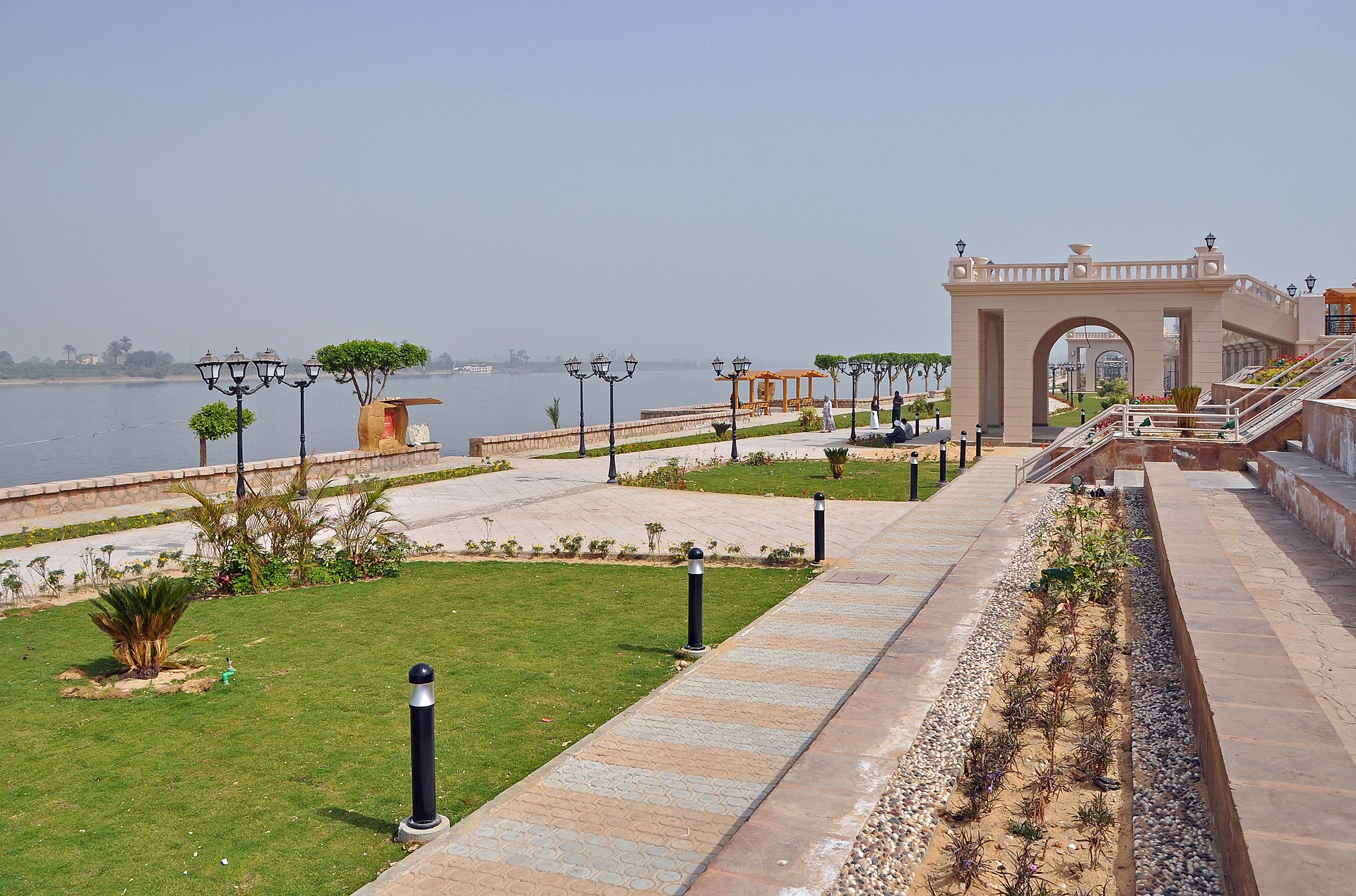
Luxor sits on both banks of the Nile in the middle of the temple belt of Upper Egypt. The East Bank holds the modern town, Karnak and Luxor Temple, the Luxor Museum and the Mummification Museum. The West Bank holds the Valley of the Kings, the Mortuary Temple of Hatshepsut, Medinet Habu and the Colossi of Memnon. The river ferry between the two banks runs frequently and cheaply. A private driver is the practical choice for the West Bank since the sites are spread across an arid plateau.
Our pacing recommendation is to alternate strenuous mornings on archaeological sites with afternoons either in the Luxor Museum (air-conditioned and outstanding) or by the pool. Karnak deserves at least two visits — once at the morning opening and once in the last ninety minutes before sunset. The Valley of the Kings is best at opening time before the tour buses; combine it with Hatshepsut in the same morning and Medinet Habu the next morning. A Nile felucca afternoon between heritage visits is the small luxury that makes a Luxor stay memorable.
Three days for Aswan itself, plus an early-morning day-trip to Abu Simbel.
Aswan is the relaxed counterpart to Luxor — smaller, slower, with cleaner air and the Nubian cultural presence that makes Upper Egypt feel suddenly different. The Nubian Museum on the southern Corniche is a serious morning. Philae Temple and the High Dam are afternoon visits accessible by short drive and boat. The felucca cruise around Elephantine Island is the classic local activity and the sunset version is genuinely worth doing.
Abu Simbel is a full day from Aswan whether you go by road convoy or by air. The road convoy departs around 04:00, reaches the temples for the early-morning quiet, and is back in Aswan in the early afternoon. Flights from Aswan are quicker but expensive and the schedule is restrictive. Most independent visitors take the road convoy; cruise passengers usually combine Abu Simbel with their cruise return leg.
Two to three days for South Sinai including Saint Catherine and the surrounding heritage trails.
South Sinai combines coastal Red Sea resort towns — Sharm El Sheikh, Dahab, Nuweiba, Taba — with the interior plateau dominated by Mount Sinai and Saint Catherine’s Monastery. Most heritage-focused visitors fly into Sharm El Sheikh, transfer to the village of Saint Catherine for the monastery visit and the optional Mount Sinai climb, and return to the coast for the remaining nights. The monastery is closed on Fridays, Sundays and Eastern Orthodox feast days; book the visit around those.
The road between Sharm El Sheikh and Saint Catherine is about three hours each way. A private driver costs around 2,500 EGP for the return; group transfers are cheaper. The monastery requires modest dress, opens at 09:00 and is closed by midday for the monks’ liturgical schedule. The library and main church are open to visitors with restrictions noted on site. The chapel of the Burning Bush is the spiritual heart of the visit.
Related topic hubs to pair with the regional briefings above.
Four-hour itineraries for each of the regions covered above, with realistic timings and budgets.
Heat management, water, taxi pricing and the operational facts that vary between Egyptian regions.
Closures, processions and seasonal events that change the pacing of a regional visit.