Cultural heritage media · Since 2018

Egyptian Museums and Heritage Sites, Reviewed From the Field

MuseuPass Heritage Media is a small editorial publication based in Zamalek, Cairo. We track Egyptian museums and archaeological sites in person, publish a monthly print briefing for subscribers, and answer questions from readers planning their trips. No advertising, no affiliate ticket links — only the work of editors who actually walk the galleries every week.

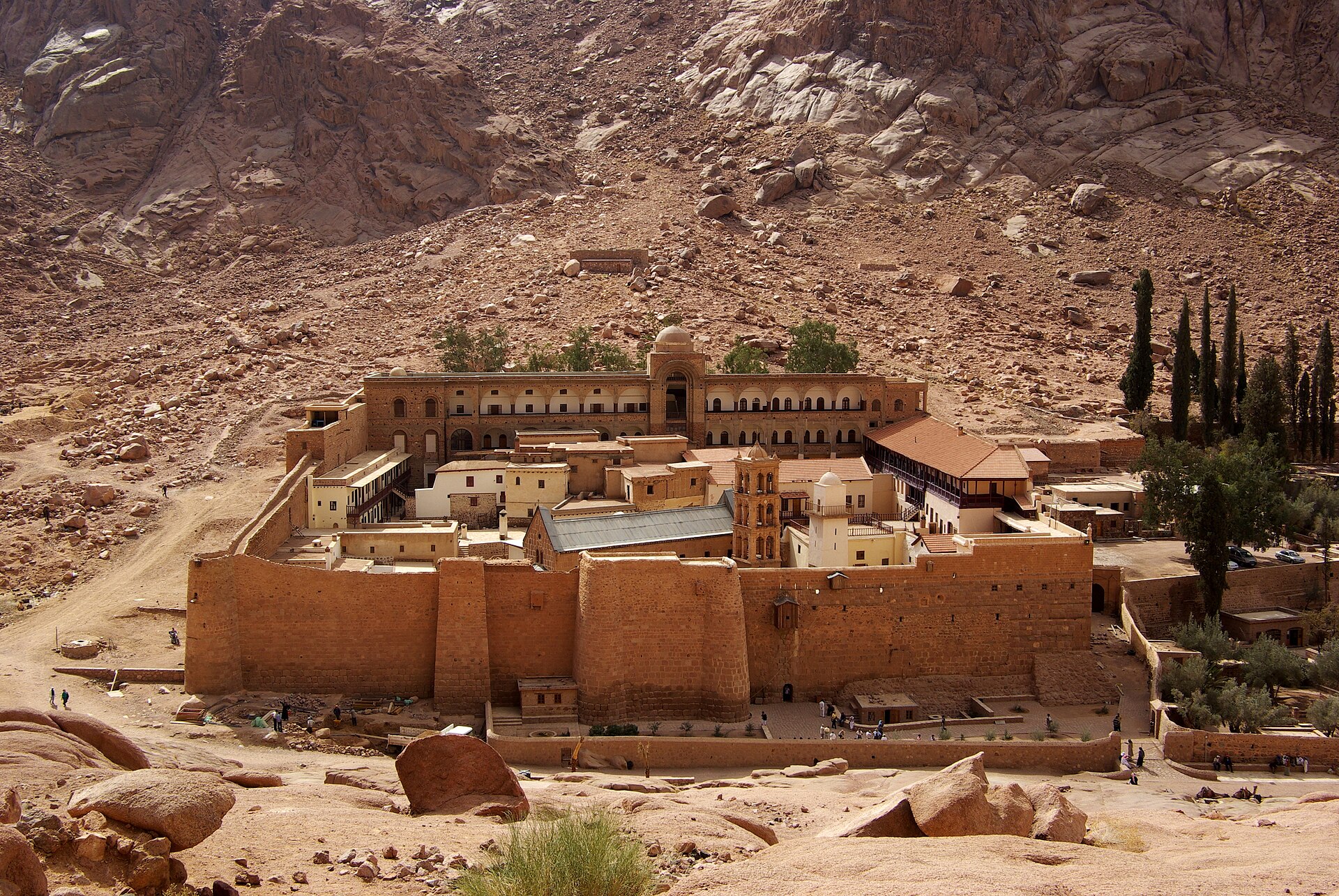
Saint Catherine's Monastery in the granite mountains of South Sinai at dawn
  • 148Museums covered
  • 7Years on the desk
  • 96Monthly briefings
  • 5,400+Subscribed readers
Editorial method

What Makes a MuseuPass Review Different

Four working principles that have stayed unchanged since our launch in 2018. They are easy to summarise and harder to keep — but they are the reason readers come back month after month rather than treating us as a one-time search result.

  1. PRINCIPLE 01

    We visit before we write

    No press kits, no second-hand summaries. An editor walks the galleries, queues at the ticket desk, eats in the visitor café and writes from the bench afterwards. If we could not visit within twelve months, the review is moved to our archive section with a clear note.

  2. PRINCIPLE 02

    Prices are taken at the gate

    Egyptian Pound ticket prices change without notice. We verify them on the day of the visit, list both resident and foreign rates where applicable, and re-check quarterly. The exchange rate we use for USD references is shown directly under each price.

  3. PRINCIPLE 03

    Nothing is sold, nothing is linked

    MuseuPass earns no commission from any ticket office, tour operator, hotel or airline. Income comes from reader subscriptions to the monthly briefing only. Our reviews are not affected by partnerships because there are no partnerships.

  4. PRINCIPLE 04

    Corrections live at the top

    When we get something wrong, the correction goes at the top of the affected review, signed by the editor on duty and dated. We do not silently edit text. The full audit log is available on request to subscribers.

The monthly briefing

A Printed Heritage Digest, Mailed to Cairo Subscribers Each Month

The MuseuPass monthly briefing is a 24-page printed bulletin produced by the editorial team. Each issue gathers the most useful field notes of the past four weeks: newly verified ticket prices, gallery reopenings, restoration work in progress, seasonal closures, and a featured long-read on one Egyptian heritage subject. Subscribers in Cairo receive it by post; readers abroad receive a PDF facsimile by email on the same day.

The briefing exists because we noticed how quickly information about Egyptian museums goes stale online. A review written in March is often inaccurate by November because galleries are rearranged, ticket structures change, and the relationship between the Grand Egyptian Museum and the older Egyptian Museum on Tahrir Square continues to evolve. A monthly cadence catches those changes without overloading the reader.

Every issue carries the initials of the editors who contributed and a list of corrections to previous issues. There are no advertisements, sponsored placements or affiliate links. The cost of producing and posting the briefing is the reason our reader plans on the Pricing page are not free.

  • Field notes from the previous four weeks, signed and dated.
  • One long-read on a specific Egyptian heritage topic each month.
  • Updated ticket prices for all the museums on our museum index.
  • A short calendar of upcoming exhibitions and seasonal events.
  • An open corrections column for previous issues.
Most-read this season

Recent Heritage Coverage

A small selection of the museums and sites our readers consulted most in the last three months. Full editorial reviews of each are linked from the museum index and the archaeological sites page.

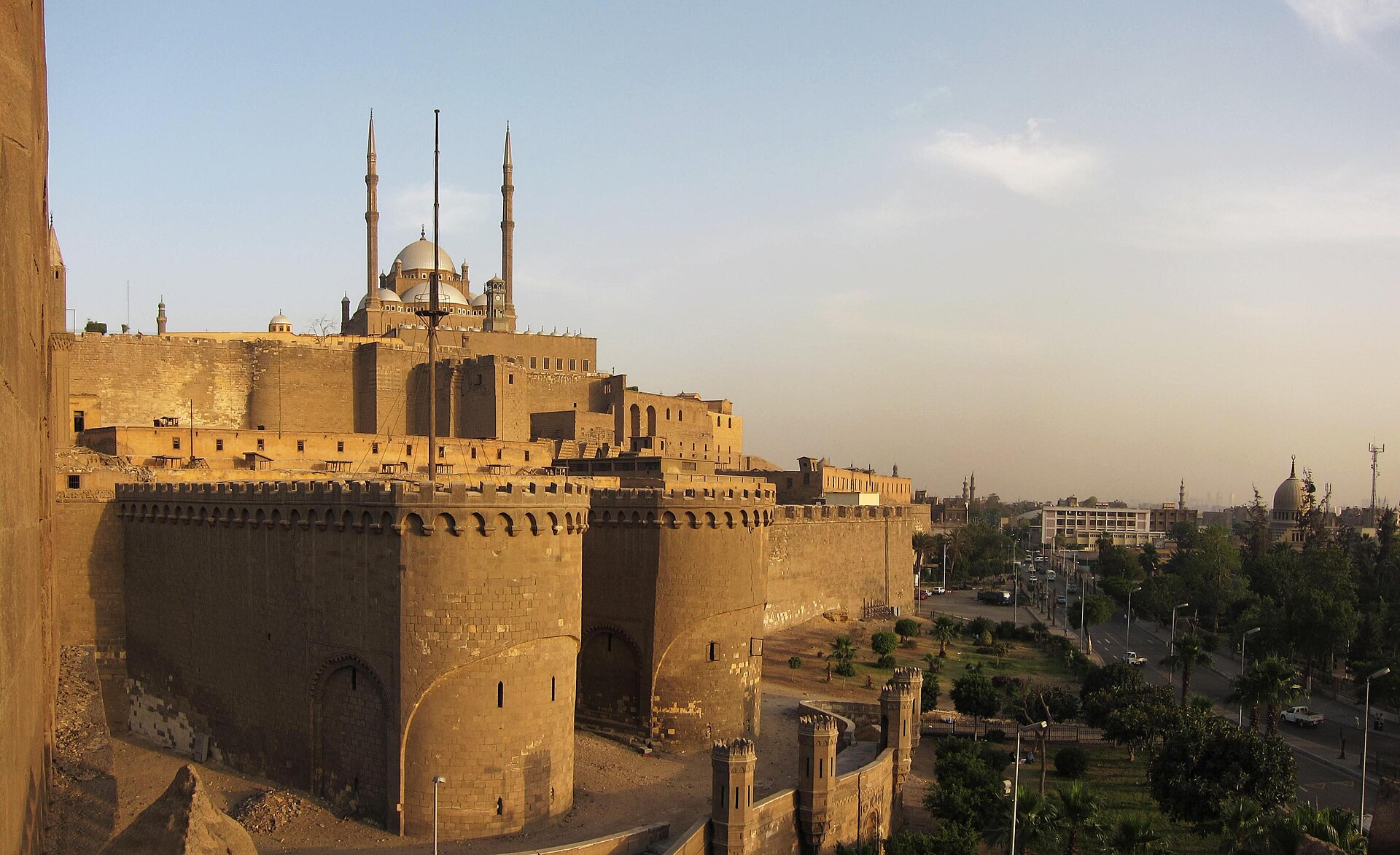
The Citadel of Saladin overlooking Cairo with the Mosque of Muhammad Ali on its grounds
Islamic Cairo

The Citadel of Saladin

A walk through the twelfth-century fortress and the layered mosques inside its walls — including the Mosque of Muhammad Ali Pasha, the Mosque of Al-Nasir Muhammad and the Military Museum. Best visited late afternoon for the view over the city.

Read our notes
The lantern-lit alleys of Khan el-Khalili bazaar in central Cairo
Cairo · Bazaar

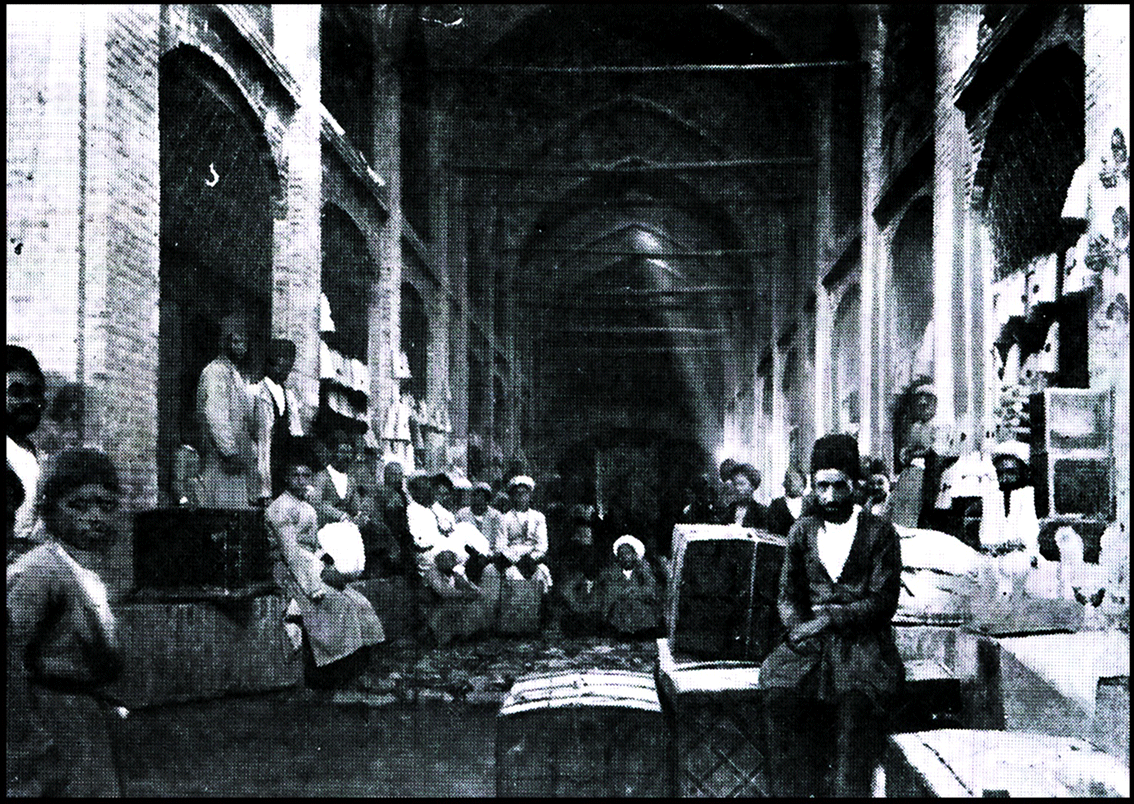
Khan el-Khalili — Beyond the Souvenirs

The major surviving Mamluk-era bazaar of Cairo, written about as a heritage quarter rather than a shopping itinerary. Includes notes on the surrounding monuments, the historic cafés around Sayyidna al-Husayn, and our advice on dress and etiquette.

Read our notes
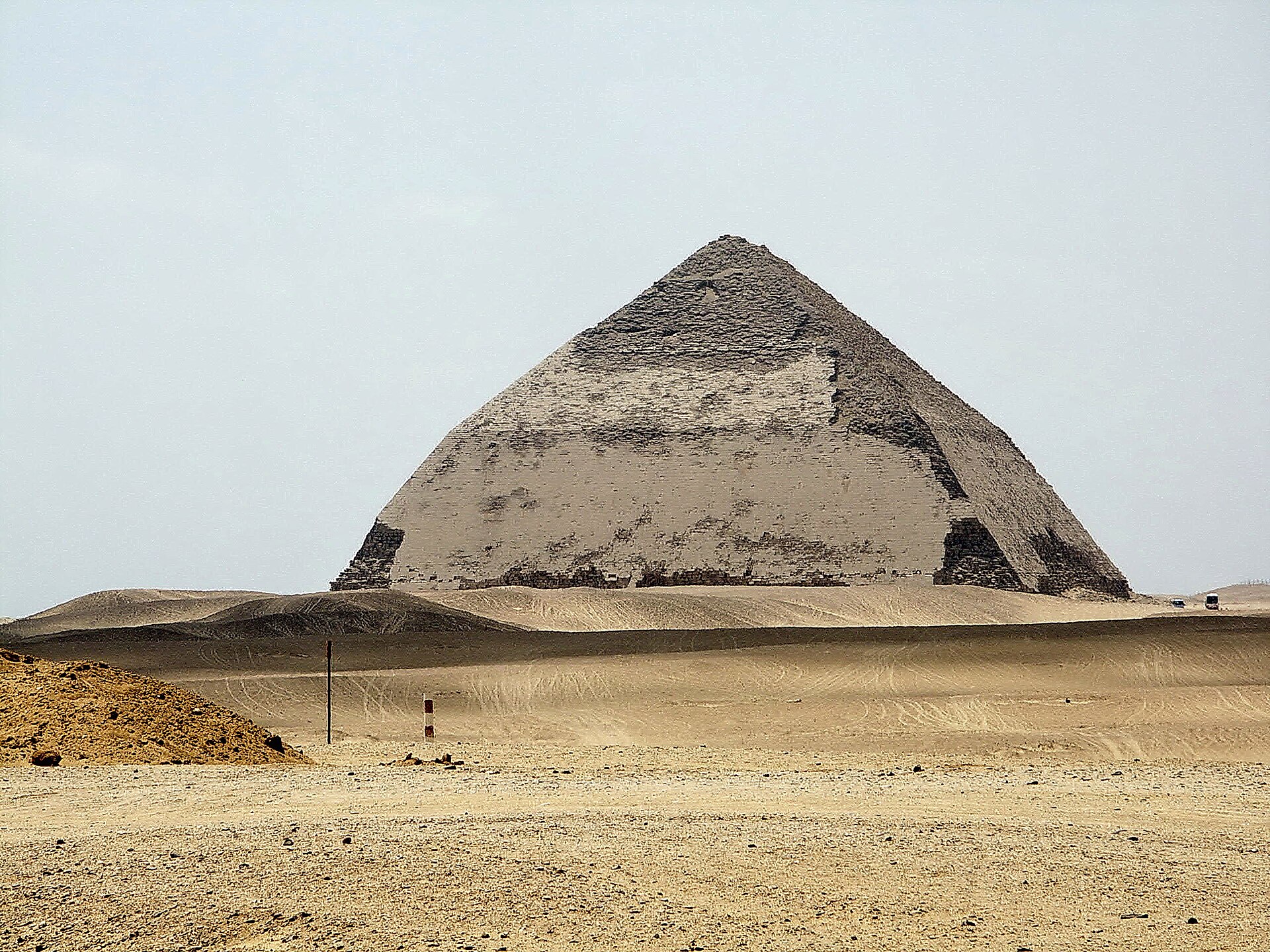
The Bent Pyramid of Dahshur in the desert south of Saqqara
Pyramid field

Dahshur and the Bent Pyramid

Often skipped in favour of Giza, the Dahshur necropolis is the experimental ground where the smooth-sided pyramid form was developed. We cover the access road, the realistic visit length and our position on whether interior access is worth the supplement.

Read our notes
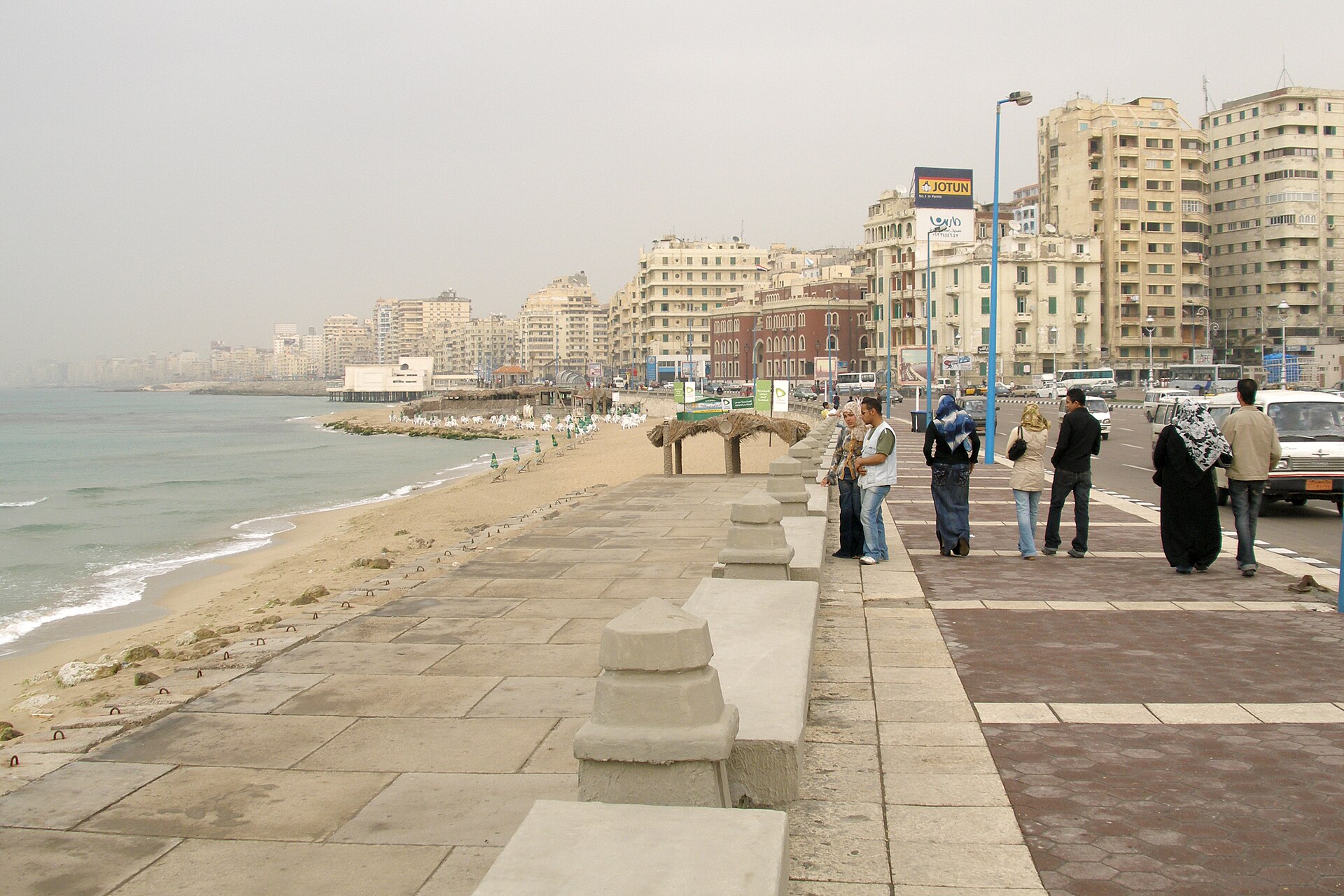
The seafront Corniche of Alexandria curving along the Mediterranean
Alexandria

Alexandria from the Corniche

Six recommended museums and heritage stops within a half-day walk of the Mediterranean Corniche — from the Bibliotheca Alexandrina to the Greco-Roman quarter, with a practical lunch suggestion that does not require a tour bus.

Read our notes
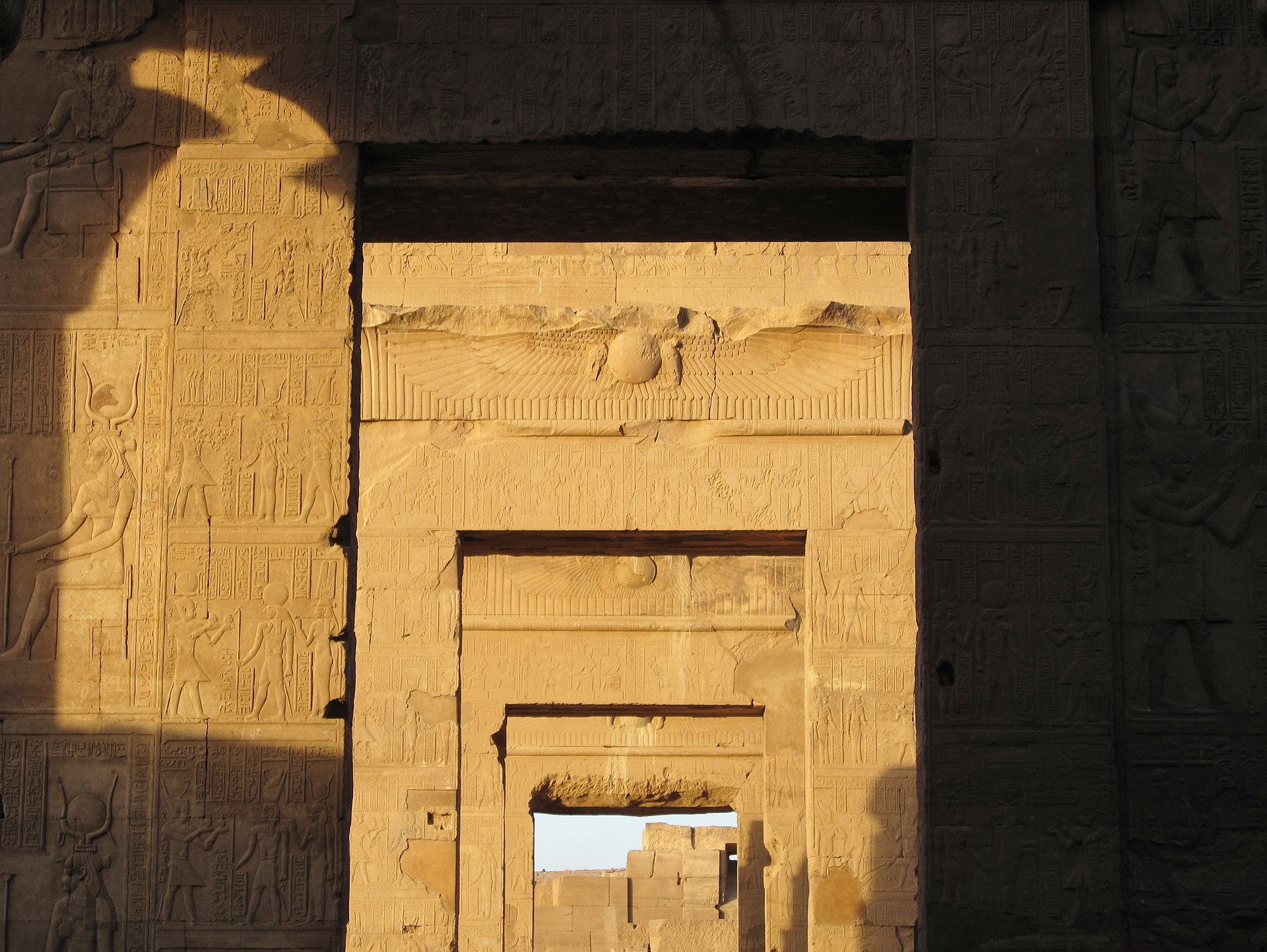
Twin sanctuary of Kom Ombo temple on the Nile bank between Aswan and Edfu
Upper Egypt

Kom Ombo Twin Temple

The only ancient Egyptian temple dedicated to two deities in parallel — Sobek and Horus — and a regular stop on Aswan-to-Luxor river cruises. Practical advice on visiting outside the cruise rush and what the crocodile museum next door actually contains.

Read our notes
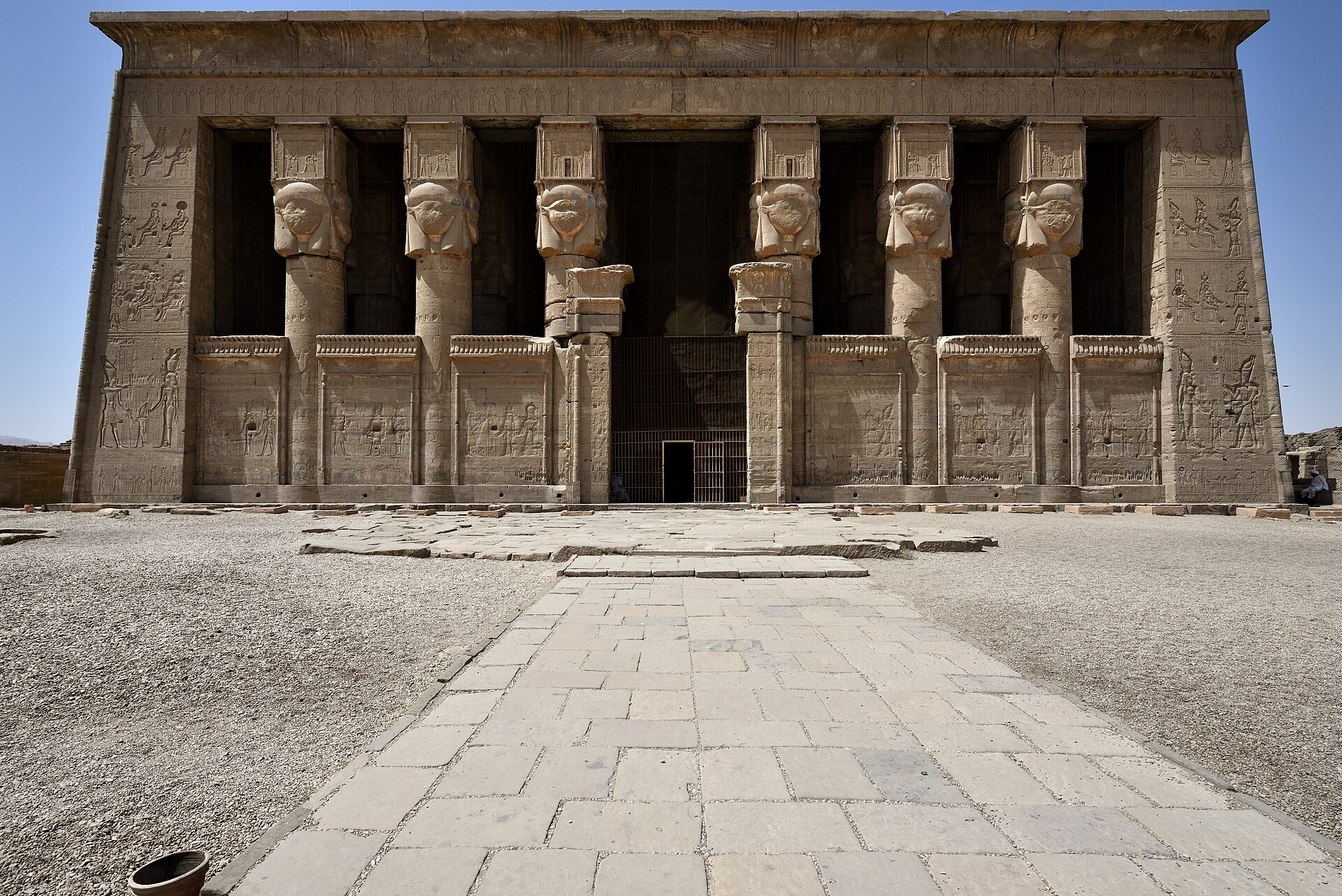
Hypostyle hall of the Temple of Hathor at Dendera with painted ceiling
Upper Egypt

Dendera and the Temple of Hathor

One of the best-preserved temple complexes in Egypt, with its restored astronomical ceiling reopened to the public after a multi-year cleaning project. We compare visiting Dendera from Luxor as a half-day trip versus combining it with Abydos for a full day.

Read our notes
Pick a starting page

Where MuseuPass Readers Usually Begin

Our archive is organised into seven curated topic hubs. If you are planning a first trip to Egypt, start with the museum index and the visitor essentials. If you already know which region you are visiting, head to the region guide for that area.

Egypt Museums

An editor-ranked index of the country’s most important museum collections, from the new Grand Egyptian Museum to small regional museums of the Delta.

Ancient Sites

Pharaonic, Greco-Roman and early Christian archaeological complexes, grouped by region with ticket prices and on-site notes.

Half-Day Trips

Realistic three-to-five-hour itineraries that you can attach to a single morning or afternoon without renegotiating your whole week.

Region Guides

Cairo, Alexandria, the Pyramid Field, Upper Egypt, the Red Sea coast and Sinai — each region with our editor’s working summary.

Travel Essentials

Dress code, photography rules, tipping practice, summer heat protection, ATM access in Upper Egypt and dozens of other practical questions.

Festival Calendar

The cultural year in Egypt — solar alignments at Abu Simbel, Coptic feast days, the Cairo Book Fair, and the seasonal closure pattern for archaeological sites.

Kids and Families

Museums and excursions that genuinely work with children. Age guidance, pace, snack and shade availability, and what to skip during summer.

Reader support

The Pricing Page Is Optional Reading

Everything published on this site is free to read without an account. The reader plans listed on the pricing page exist only to support production of the printed monthly briefing and the editor-led answers we send by email. There is no paywall, no premium archive, no “unlock” button. If you find the briefing useful you subscribe; if you do not, you keep reading the open archive for as long as you wish.

Subscribers can also request a personalised itinerary check: send us your draft trip plan and an editor reviews it within two business days, suggests realistic timings and points out missing sites that match your interests. The same editors who write the reviews answer these emails. The volume is intentionally limited to maintain quality, which is the reason the itinerary plan is the most expensive of the three.