Topic hub · Archaeology

Ancient Sites — Pharaonic, Greco-Roman and Coptic Egypt

The archaeological complexes that, in our editorial judgement, define a visit to ancient Egypt. The page is organised geographically from the Pyramid Field around Cairo down through Middle Egypt to Luxor, Aswan and Abu Simbel, then sideways to Alexandria and the Sinai monasteries. Each entry has the current ticket price, the visit length we recommend and the editor who verified it.

Restored astronomical ceiling at the Temple of Hathor in Dendera

“Ancient Egypt” is a useful shorthand but it conceals three quite distinct heritage layers. The pharaonic monuments dominate the popular image — pyramids, temples, royal tombs and statuary — and stretch in continuous occupation from approximately 3100 BCE through the Roman conquest in 30 BCE. The Greco-Roman period that followed left a thinner archaeological footprint above ground but its great library, its temples to syncretic deities such as Serapis and Sobek, and its colonnaded streets still surface in Alexandria, Kom Ombo and Esna. The early Christian or Coptic period from the third century onwards left fortified monasteries in Wadi Natrun and Saint Catherine, painted churches in Old Cairo, and an entire literary tradition that ultimately influenced the conservation of pharaonic monuments through later periods.

Our editorial advice is to give each of these layers a fair share of attention rather than collapsing all three into a single “pharaohs and pyramids” itinerary. The list below is grouped to make that easier; if you are short on time, the half-day trips hub explains how to combine sites without lengthening the trip.

The Pyramid Field around Cairo

The Memphite necropolises occupy a belt of about sixty kilometres on the west bank of the Nile from Abu Sir north of Saqqara down to Meidum. Most visitors only see Giza, but the necropolises further south are where the pyramid form was developed and refined.

Giza Plateau — Pyramids and Sphinx

9.1
Location
Giza Plateau
Ticket
From 700 EGP + 900 EGP for Khufu interior
Visit length
3–4 hours
Updated
February 2026 (OR)

The three principal pyramids of Khufu, Khafre and Menkaure, together with the Great Sphinx and the Valley Temple complex. Best entered at opening (08:00) to avoid both crowds and heat; the electric shuttle inside the plateau works reliably and reaches the panoramic viewpoint south of the Khufu pyramid. The interior of the Great Pyramid is not recommended for visitors with claustrophobia or back issues. Plan to leave the plateau via the new road towards the Grand Egyptian Museum if you intend to combine the two.

Saqqara Necropolis and Step Pyramid of Djoser

9.0
Location
Saqqara, 30 km south of Cairo
Ticket
From 450 EGP (combined entry)
Visit length
3–4 hours
Updated
December 2025 (OR)

The oldest large-scale stone monument in human history and the working ground of the architect Imhotep around 2670 BCE. The wider necropolis includes the Pyramid of Unas (with the earliest extant Pyramid Texts) and the painted mastaba tombs of Kagemni and Mereruka. The site museum reopened in 2020 after renovation. Combine with Dahshur for a single-day Cairo-pyramids circuit.

Dahshur — Bent and Red Pyramids

8.8
Location
Dahshur, 40 km south of Cairo
Ticket
From 200 EGP
Visit length
Half-day with driver
Updated
January 2026 (OR)

Sneferu’s experimental ground: the Bent Pyramid, where the change of angle mid-construction is plainly visible, and the Red Pyramid, where the smooth-sided form first succeeded. Both pyramids are open for interior visits. The Bent interior is steep with limited ventilation in summer; the Red Pyramid is the more practical climb. The site is rarely crowded.

Pharaonic Upper Egypt

The temple belt between Aswan and Luxor is the densest concentration of preserved pharaonic architecture anywhere. Most of these sites are routine stops on Nile cruises, but cruise pace rarely does justice to them.

Karnak Temple Complex

9.4
Location
East Bank, Luxor
Ticket
From 600 EGP
Visit length
3 hours
Updated
January 2026 (SE)

The Hypostyle Hall remains one of the most striking spaces anywhere in the ancient world. Aim for the last ninety minutes before sunset for the light on the columns and the drop in temperature. The open-air museum at the northern end of the complex is included in the ticket and is worth the detour.

Mortuary Temple of Hatshepsut at Deir el-Bahari

9.0
Location
West Bank, Luxor
Ticket
From 550 EGP
Visit length
2 hours
Updated
February 2026 (SE)

The three-tiered colonnaded temple set against the cliff face on the West Bank is one of the visual signatures of pharaonic architecture. Open very early to avoid both heat and the morning convoy. Combine with the Valley of the Kings and Medinet Habu for a full West Bank day.

Abu Simbel Temples

9.5
Location
Lake Nasser, 280 km south of Aswan
Ticket
From 600 EGP
Visit length
Full day with road convoy
Updated
December 2025 (SE)

The UNESCO relocation project remains an engineering marvel in itself. Standard convoys depart Aswan around 04:00; air travel from Aswan is available but expensive. The temple of Ramses II and the smaller temple of Nefertari face each other across a relocated artificial hill. Allow time to walk to the lake side for the proper sense of scale.

Kom Ombo Twin Temple

8.9
Location
East bank, 45 km north of Aswan
Ticket
From 400 EGP
Visit length
90 minutes
Updated
February 2026 (SE)

The only ancient Egyptian temple with twin sanctuaries arranged in mirror symmetry — Sobek and Horus. Cruise arrivals concentrate between 14:00 and 17:00; arrive earlier or after the boats leave. The Crocodile Museum next door is included.

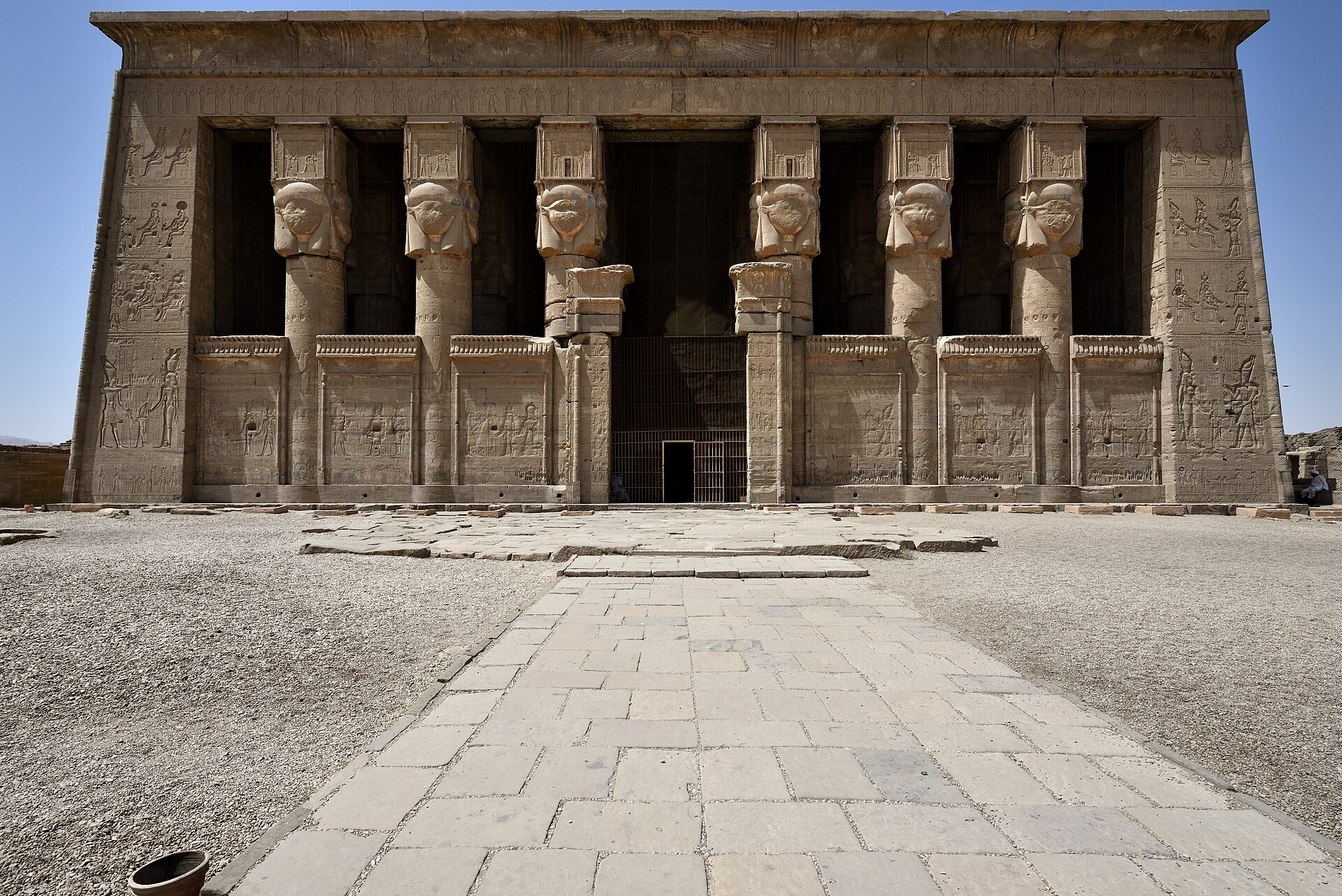
Dendera — Temple of Hathor

9.1
Location
Qena Governorate, 65 km north of Luxor
Ticket
From 450 EGP
Visit length
2.5 hours
Updated
January 2026 (SE)

One of the best-preserved Ptolemaic temple complexes, with its restored astronomical ceiling reopened after years of cleaning. We recommend Dendera as a half-day trip from Luxor, combined with Abydos for a full day.

Greco-Roman and Coptic Heritage

The Greco-Roman and early Christian layers of Egyptian heritage are less visited but visually striking in their own right. The two anchor sites are Saint Catherine’s Monastery in South Sinai and Coptic Cairo near the Mar Girgis metro station.

Saint Catherine’s Monastery, South Sinai

9.4
Location
South Sinai, at the foot of Mount Sinai
Ticket
Free entry; donations welcome
Visit length
Half-day on site
Updated
November 2025 (TF)

One of the oldest continuously inhabited Christian monasteries in the world, founded in the sixth century. The library is among the most important repositories of Late Antique and Byzantine manuscripts on earth. Closed to visitors on Fridays, Sundays and on Eastern Orthodox feast days; verify before travelling.

Coptic Cairo and the Hanging Church

8.4
Location
Mar Girgis, Old Cairo
Ticket
Free entry; Coptic Museum 200 EGP
Visit length
2 hours
Updated
November 2025 (TF)

A compact heritage quarter with the Hanging Church, Saints Sergius and Bacchus, the Greek Orthodox Church of Saint George, the Ben Ezra Synagogue and the Coptic Museum. Modest dress required; Mar Girgis metro is the easiest access. Half-morning visit.

Where to go next

Related topic hubs that complement this archaeological overview.

Egypt Museums Index

The museum collections that complement the archaeological sites listed above, in particular the Grand Egyptian Museum at Giza.

Half-Day Trips

Practical four-hour itineraries combining temples and museums, with realistic transfer times.

Region Guides

The city-level summaries for Cairo, Luxor, Aswan and Alexandria with our editor’s pacing strategy.