Topic hub · Families

Egyptian Heritage With Children

Egypt is a genuinely good destination for families — children find the pyramids, the temples and the mummies extraordinary in a way that adults can find hard to recapture. The challenge is pacing: heritage days with small children require shorter walks, more frequent breaks, reliable shade and a willingness to skip the longer interior climbs. This page lists what works, what does not, and how to plan the day so everyone enjoys it.

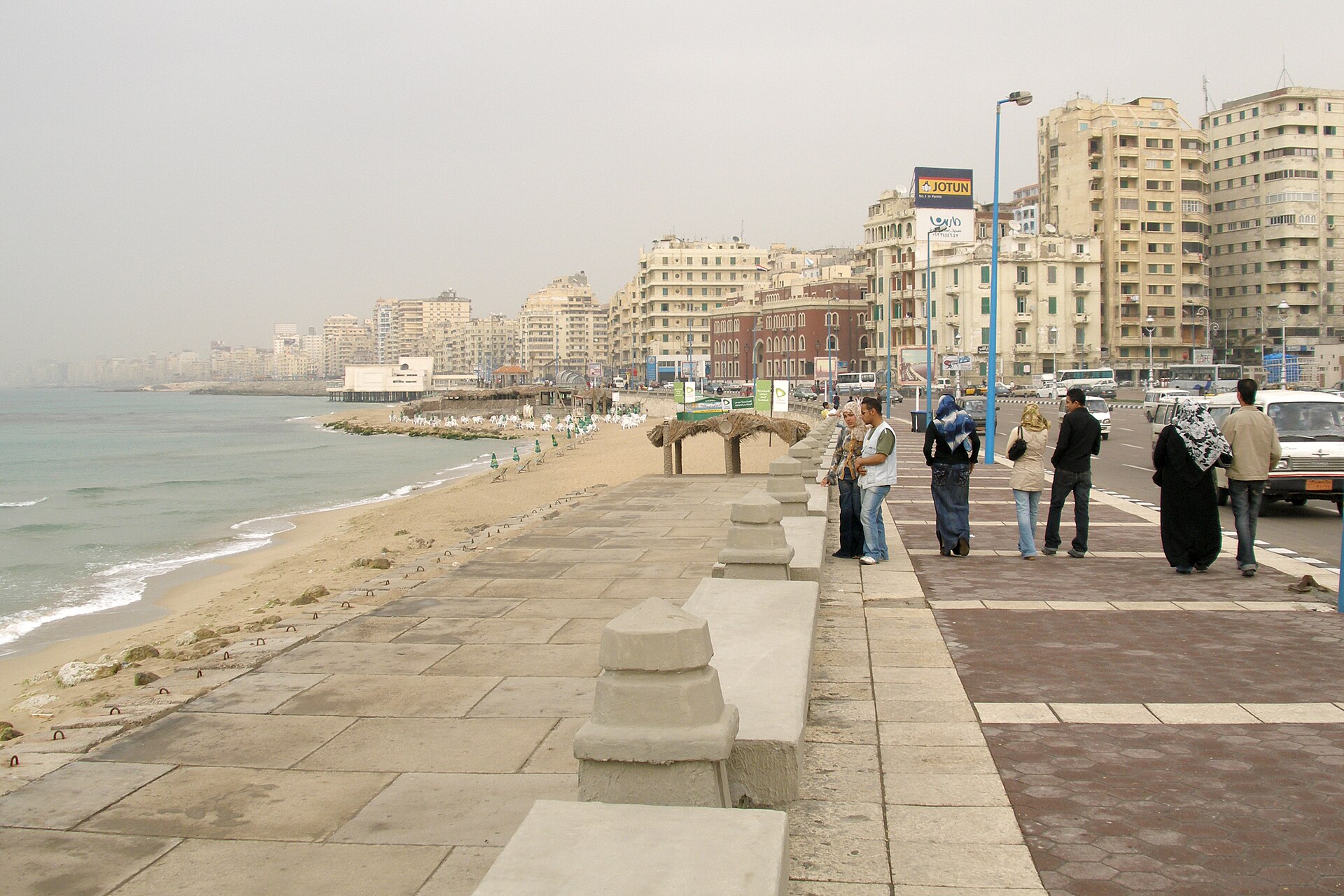
The Mediterranean Corniche of Alexandria curving along the seafront

Our editor Salma travels with two children, eight and eleven, and most of the recommendations on this page have been tested by them within the last two years. The general rule is: pick fewer sites, keep visits to two hours each, and put an air-conditioned museum between two outdoor archaeological stops. The Grand Egyptian Museum café, the Luxor Museum mezzanine, and the Nubian Museum tea kiosk are all reliable places to land for forty minutes between visits.

By age band

Under 5

Heritage interest is limited at this age, but Egyptian sites have plenty of visual stimulation. The Giza Plateau, with a buggy on the new paved paths and the electric shuttle, works as a half-morning. Most museums are accessible with strollers; the Grand Egyptian Museum specifically has good wheelchair and stroller routes. Avoid interior tomb climbs and any site that requires more than thirty minutes of standing in queues.

5 to 8

The Pyramid Plateau, the Sphinx, the Tutankhamun gallery at GEM and the felucca rides in Aswan all work well at this age. Karnak is impressive but the heat and the length of the visit need careful pacing. The Royal Mummies hall at the Egyptian Museum on Tahrir Square is age-appropriate from about seven and unforgettable; skip with a child who finds the idea unsettling.

8 to 12

The sweet spot for heritage visits. The Valley of the Kings, with one or two carefully chosen tombs, is a serious experience at this age. The full GEM tour becomes possible in two visits across two days. Abu Simbel is appropriate but the very early start (04:00 road convoy) needs to be discussed with the child in advance. Coptic Cairo and the Hanging Church work as a half-day if the child has any interest in religious history.

12 and up

Treat as a young adult: full programmes including Saint Catherine’s Monastery, the night sound-and-light show at Karnak, longer museum sessions, the desert excursions from Aswan. Independent walking around Khan el-Khalili becomes appropriate from about thirteen with appropriate supervision.

What works particularly well

  • Camels and horses at Giza. Negotiate the price firmly in advance — typically 200 EGP for fifteen minutes is fair. Choose the operators stationed within the official tourist area rather than those on the surrounding roads.
  • Felucca sunset cruise on the Nile in Aswan. One of the universally enjoyable activities at any age. Negotiate around 600 EGP for an hour and a half for the whole boat.
  • Tutankhamun gallery at GEM. The gold mask, the chariots and the throne are spectacular at any age. The full gallery rotation takes about ninety minutes.
  • Coptic Cairo walk. Compact, mostly shaded, low-effort.
  • Mummy room at the Egyptian Museum on Tahrir Square. Age-gauged, but for children from about seven who can handle the idea, it is unforgettable.
  • Khan el-Khalili in the early evening. Lit lanterns, market sounds, mango juice, the historic El Fishawi café. Pace by sitting down often.

What to skip with small children

  • Interior of the Great Pyramid at Giza. Steep, narrow, hot and not pleasant for children under twelve.
  • Bent Pyramid interior at Dahshur. Same as Khufu, slightly worse ventilation.
  • Long Nile cruises in summer. Heat exposure on temple visits multiplies across days.
  • Mount Sinai overnight climb. Suitable from about fourteen with appropriate gear; not earlier.
  • The desert convoy to Abu Simbel with a child under seven. The 04:00 start and the long drive each way are difficult at that age.

Practical family logistics

Water, snacks and shade are the three logistics that win a family heritage day. Carry one litre per person of water at minimum, with a top-up at the museum café. A small bag of dried fruit and salty biscuits between visits prevents the mid-afternoon collapse. Hats are non-negotiable for children at any outdoor site between October and April; reapply sunscreen every two hours.

Most major Egyptian museums and archaeological sites have child-rate tickets at approximately half the adult fee. Children under six are typically free. Babychanging facilities exist at the Grand Egyptian Museum, the Bibliotheca Alexandrina and the major hotel restaurants; outside those, plan around the visit. Strollers are accepted at most sites — bring a robust one with thick wheels for the Giza and Saqqara plateaux.

For longer trips, alternate one heritage day with one rest day. A Cairo + Luxor + Aswan trip that works for adults at seven days can need ten days with children to keep everyone happy. The extra days are spent on lower-effort activities: Nile cruise instead of road transfer, hotel pool in the afternoon, an early dinner instead of the late local rhythm. The trip is more rewarding when no one is exhausted.

Where to go next

Travel Essentials

Heat, dress code and the practical realities that apply with even more weight when travelling with children.

Half-Day Trips

Most of the listed half-day circuits work with children with minor pacing adjustments.

Region Guides

How many days each region needs when the trip is family-paced rather than adult-paced.